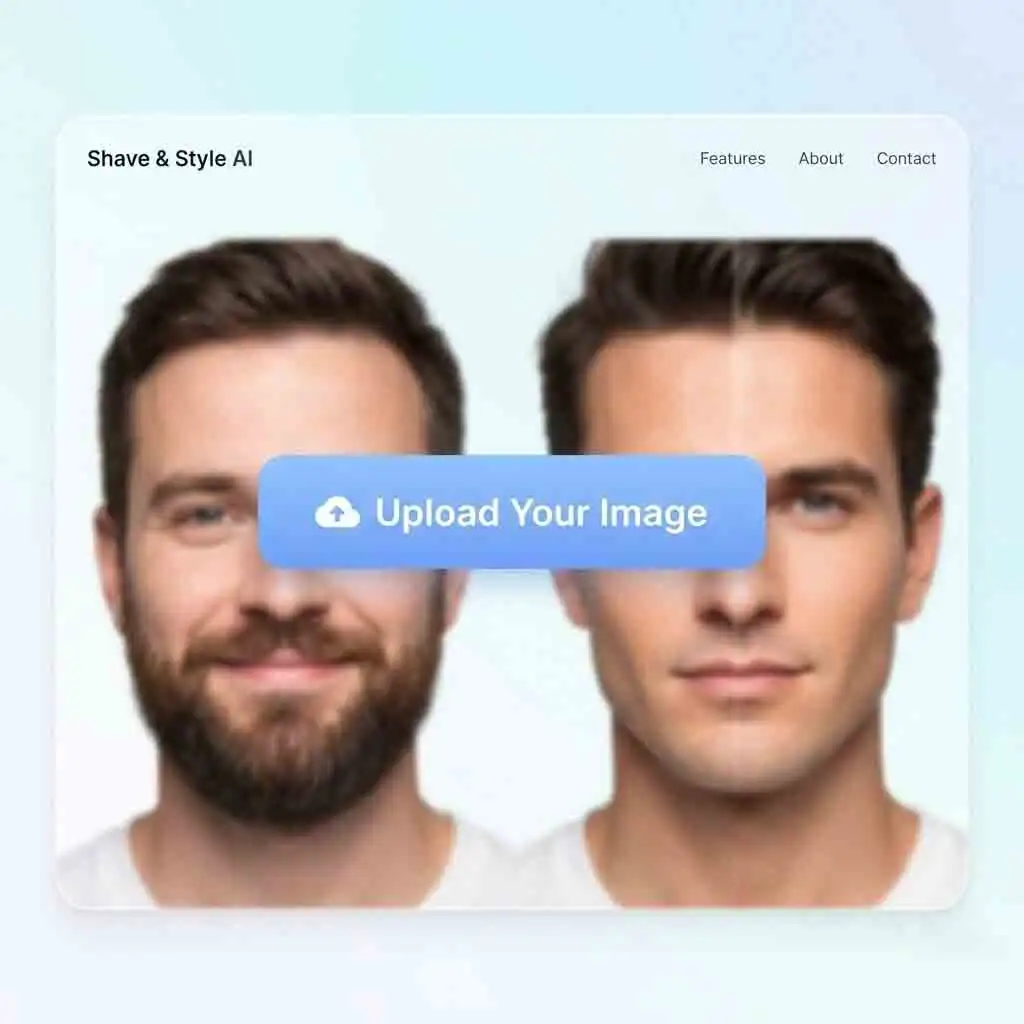
Ai beard remover Features: How ai beard remover Stays Natural
This experience is built for realism. It works like a controlled photo editor workflow. It is better than a harsh filter.
Natural Edges That Blend With Your Lighting
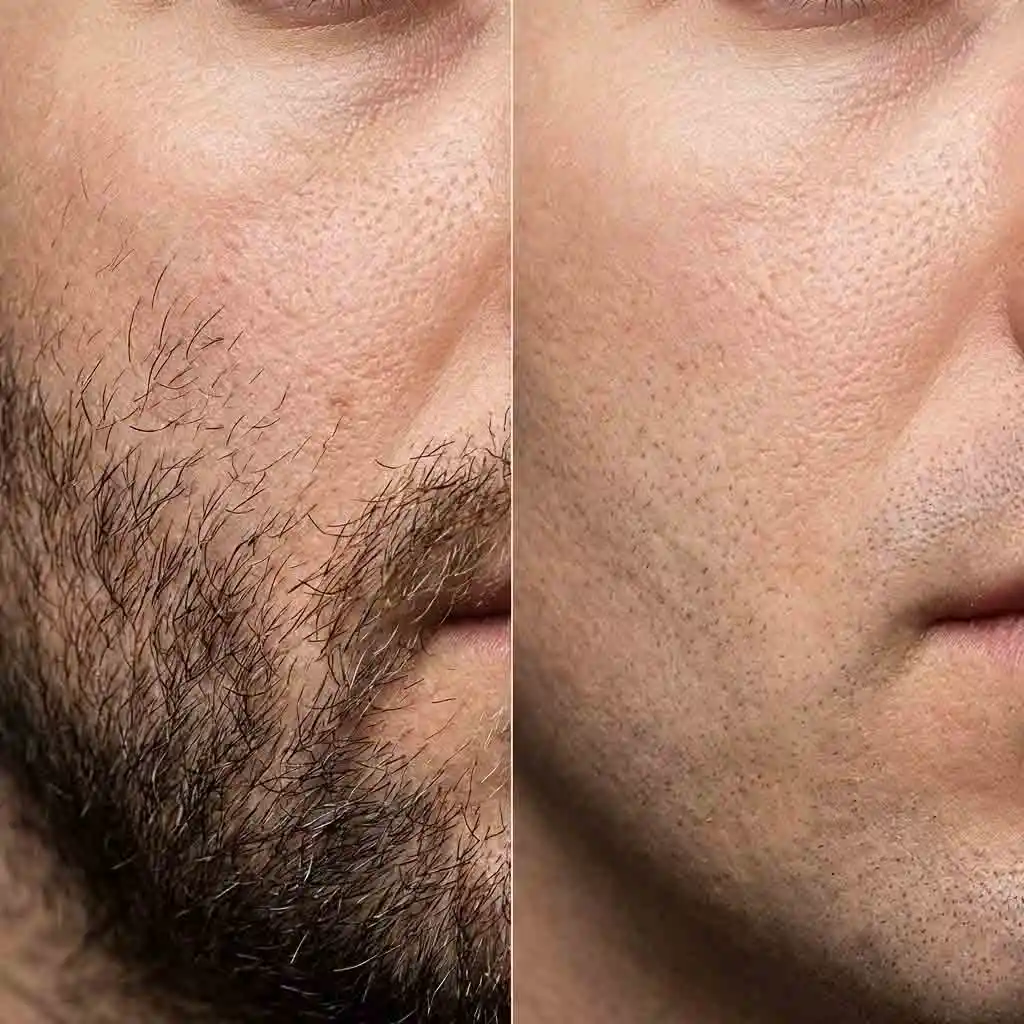
With the AI beard remover, the beard removal area transitions smoothly into the surrounding skin. This ensures the jawline doesn’t look cut-out. You get softer boundaries and fewer gray halos. The results hold up when people zoom in.
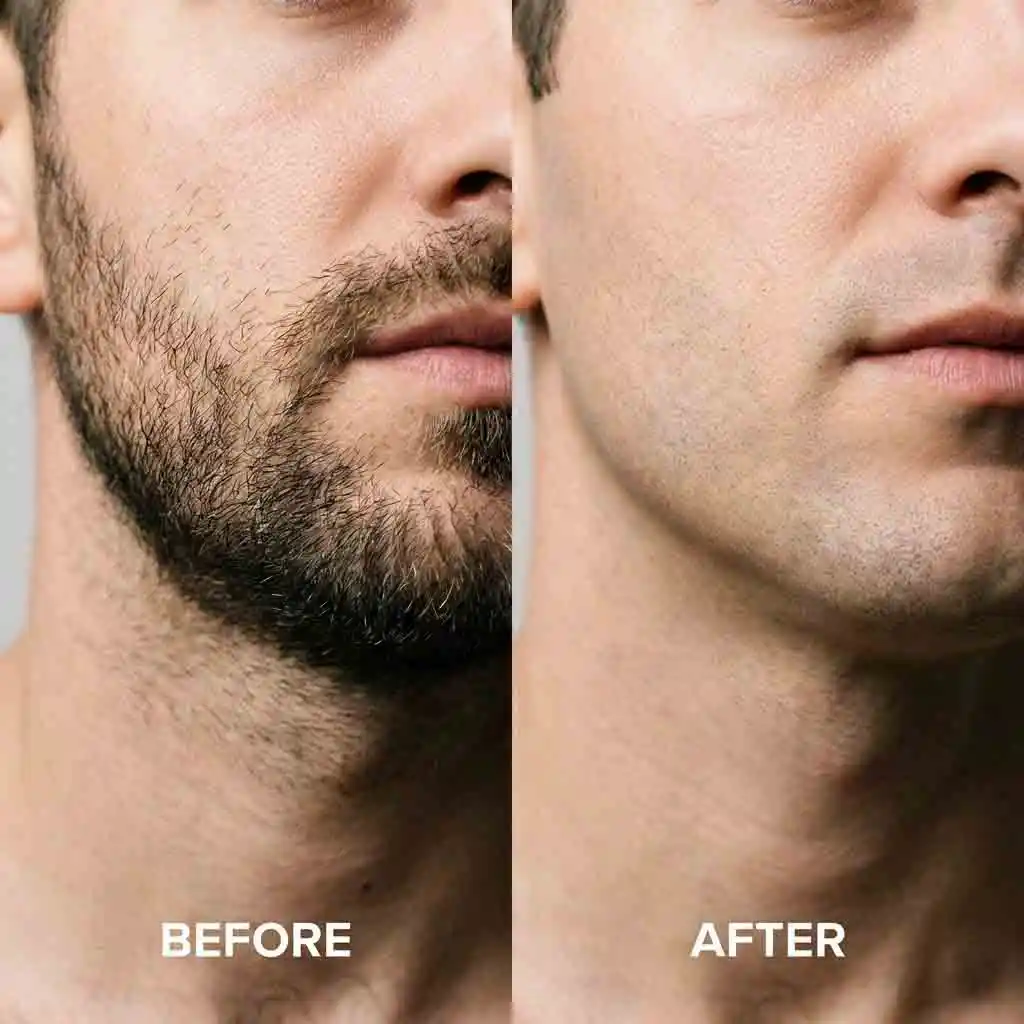
Preserved Skin Texture (No “Over-Blur” Look)
AI beard remover keeps pores, grain, and natural tonal variation. It avoids smearing everything flat. The output feels like real skin under the same light. This helps the final look stay authentic. It works well even on high-resolution portraits.
Fast Processing for Quick Iteration
AI beard remover is designed for speed. You can test options quickly and keep momentum. It is ideal when you want multiple versions. It is perfect if you need a fast turnaround. It ensures editing does not interrupt your workflow.
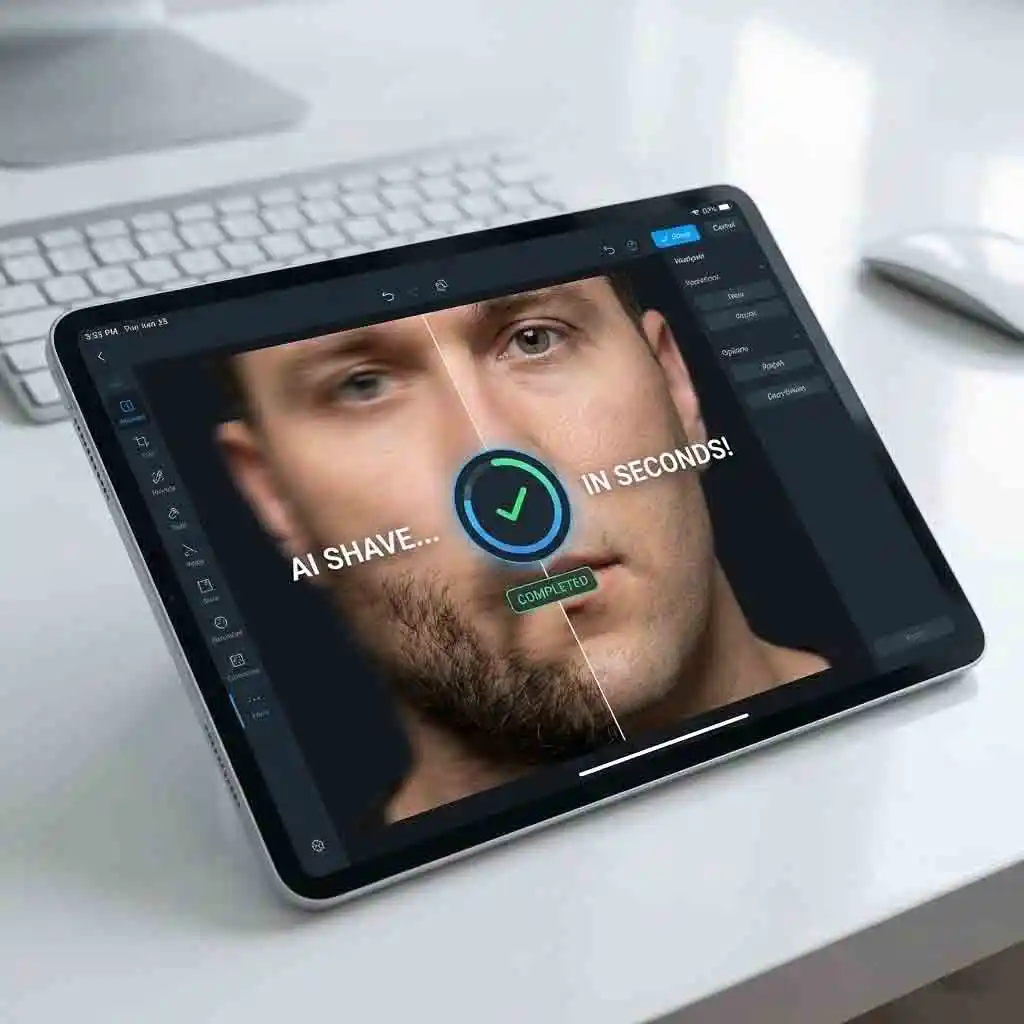
How to Use ai beard remover (3 Steps)
AI beard remover completes the process in under a minute. It gives you a downloadable result. You can reuse this image across platforms.
Upload Image
Click “upload image.”
Select Style
Choose “Select Style & Prompt.”
Generate
Press “beard remove”.
Ai beard remover Use Cases for Real-World Photos
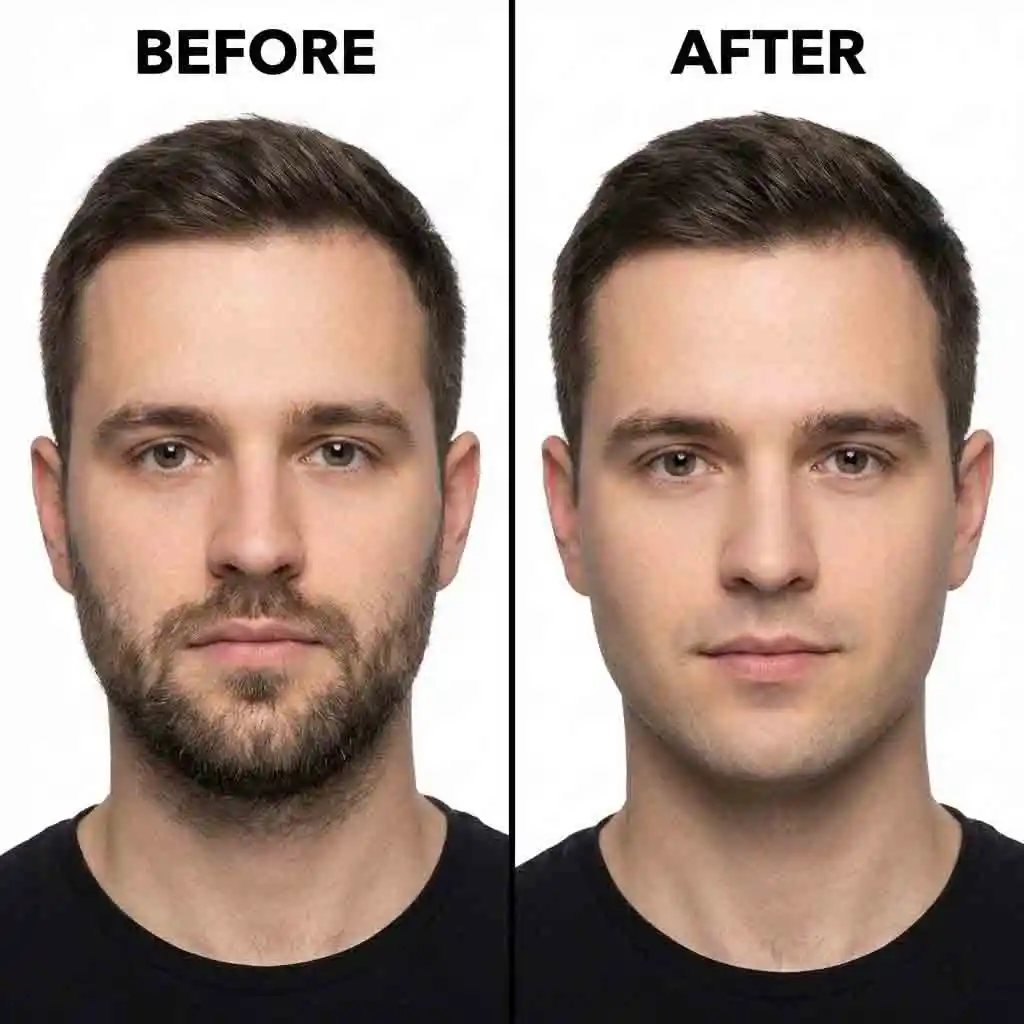
ID Photos & Visa Applications
AI beard remover helps you present a cleaner appearance. You get a consistent look without forcing a full reshoot. It works best on clear, front-facing images where the face is well-lit. The result is subtle and professional. Your photo still resembles you. It just looks more polished and compliant.
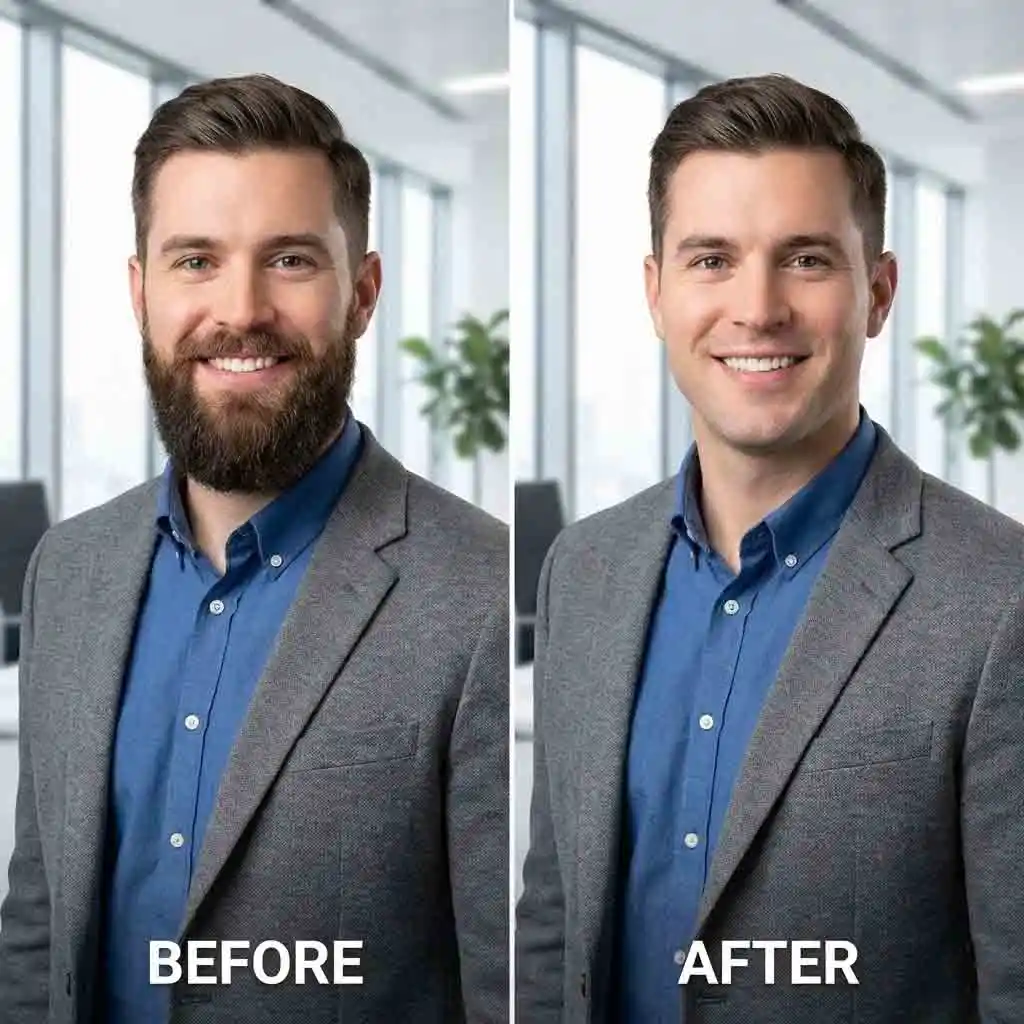
Job Applications (LinkedIn, Resume Headshots)
AI beard remover is proper when you need a sharper first impression fast. It does not change your facial structure. It focuses on removing beard distractions. The rest of the portrait remains intact. You can easily refresh an older headshot. This maintains a consistent profile across platforms.
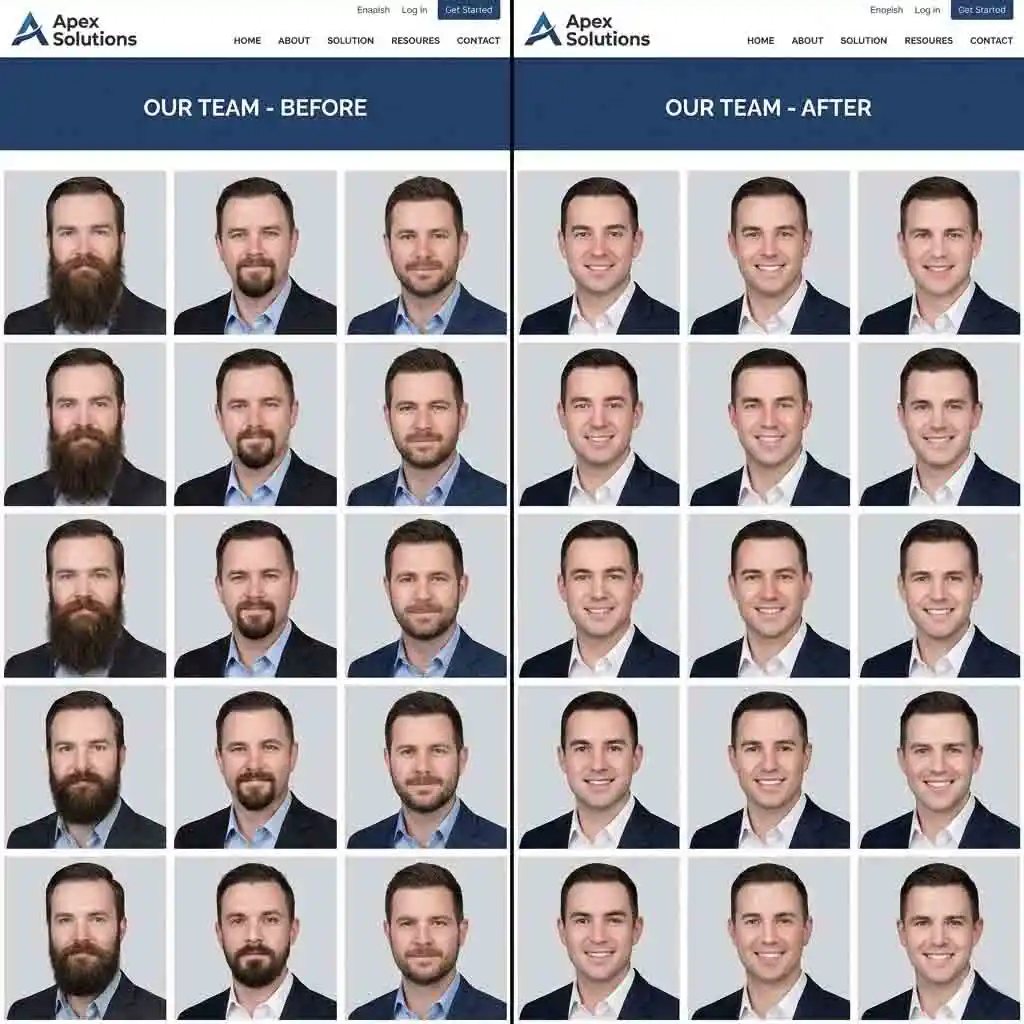
Team Headshots for Company Websites
AI beard remover supports brand consistency. It helps when teams want a uniform look across a grid of portraits. Use it alongside light face retouch tools. This keeps everyone natural while reducing visual variation. It is helpful when headshots are taken on different days. It also works for various lighting conditions.
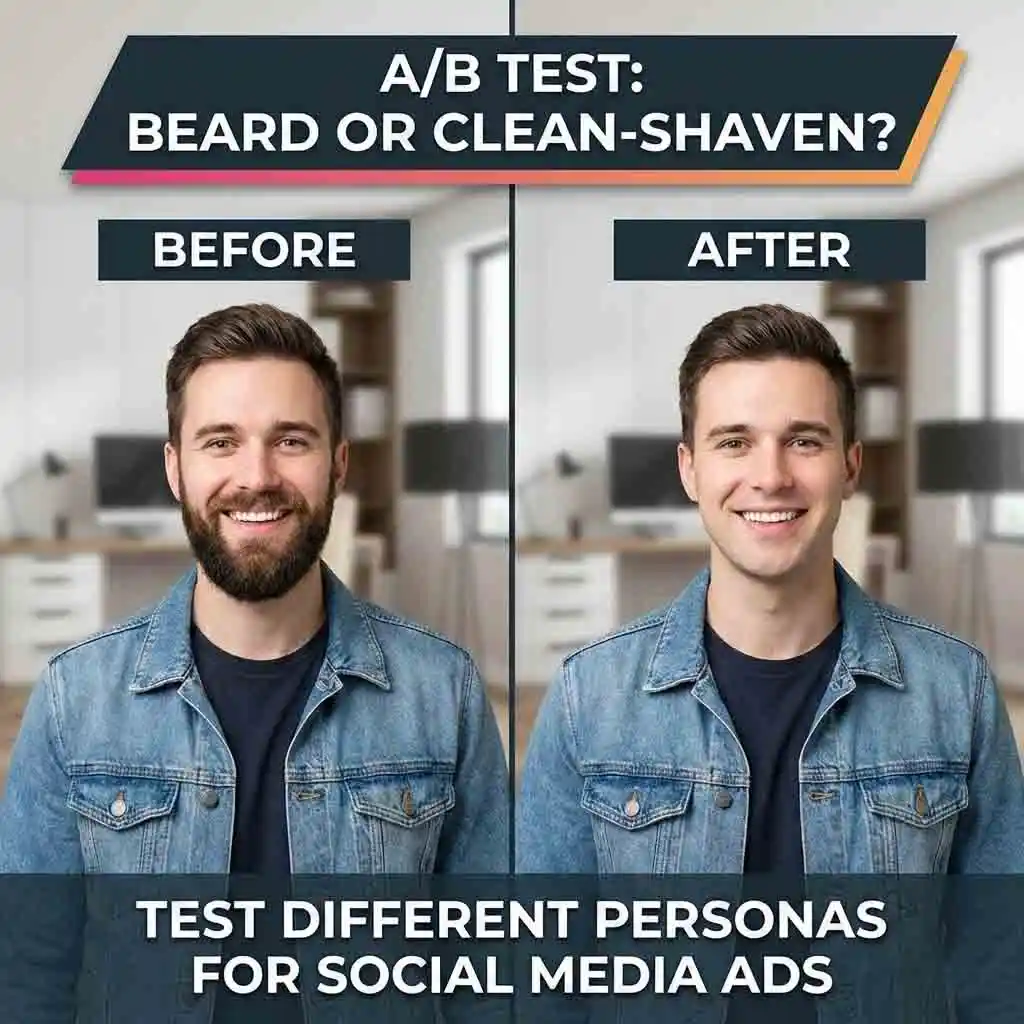
E-commerce Creators & Personal Branding Ads
AI beard remover lets you generate two versions of the same photo. This is great for creatives and A/B testing. You can keep the same expression, outfit, and framing. Adjust the facial hair presence. This speeds up production cycles. It helps you learn which look converts better.
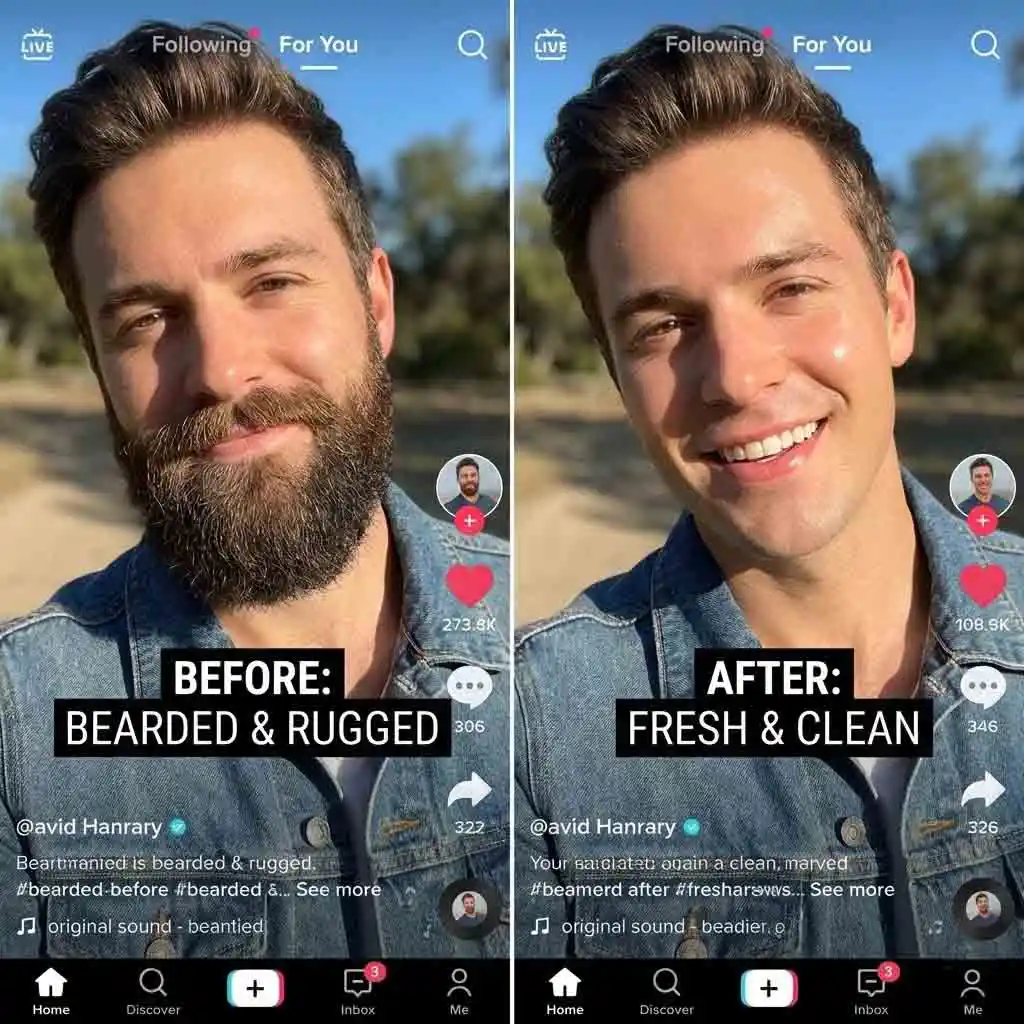
Social Media Avatars & Profile Refreshes
AI beard remover is a quick way to experiment with your look. You can try styles before committing to real life. If you are comparing styles, it delivers a clean option. It avoids heavy-handed edits. It fits naturally into a no beard filter AI mindset. You can fine-tune in a photo editor if needed.
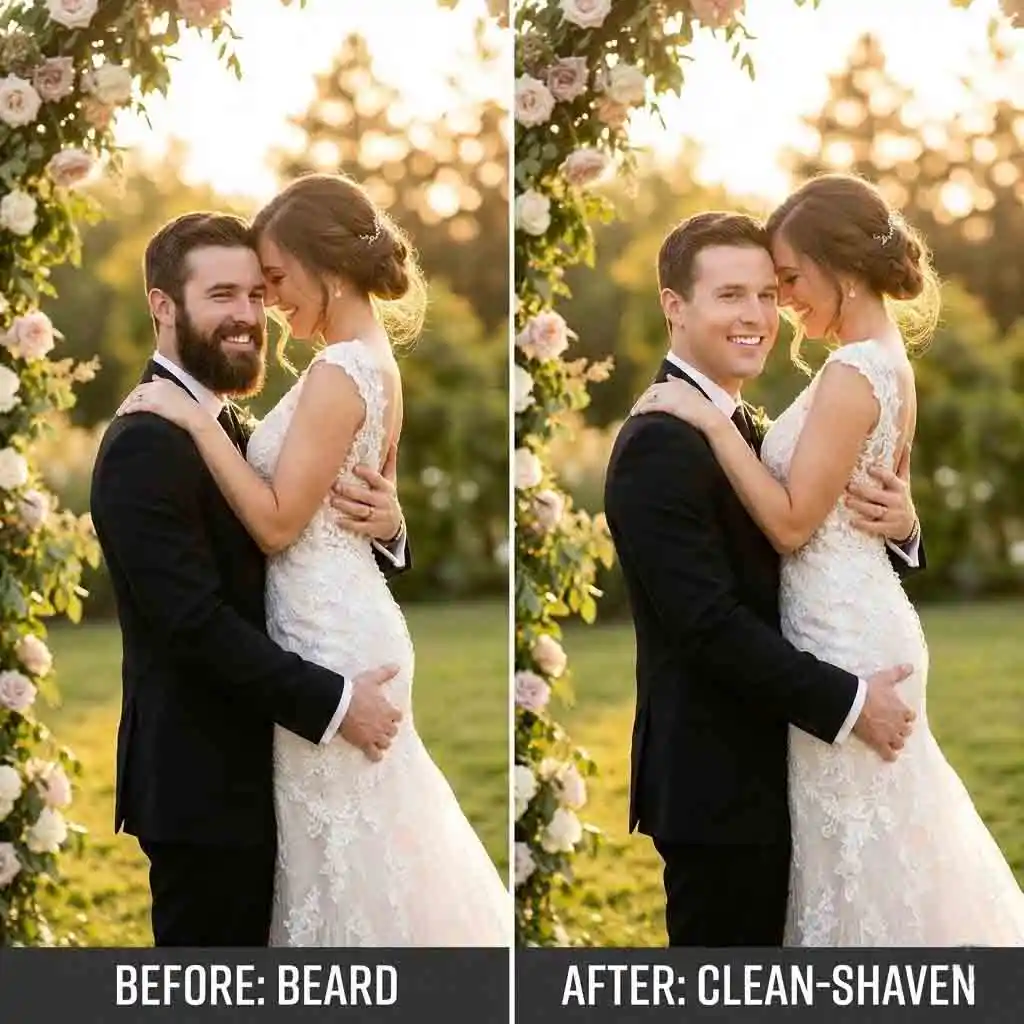
Wedding, Events, and “Already Shot” Photos
AI beard remover is ideal when the moment is gone. Use it if you want a cleaner version for albums or sharing. It aims to preserve the original lighting and mood. The photo still feels like the day. You can keep the scene intact while subtly refining the face.
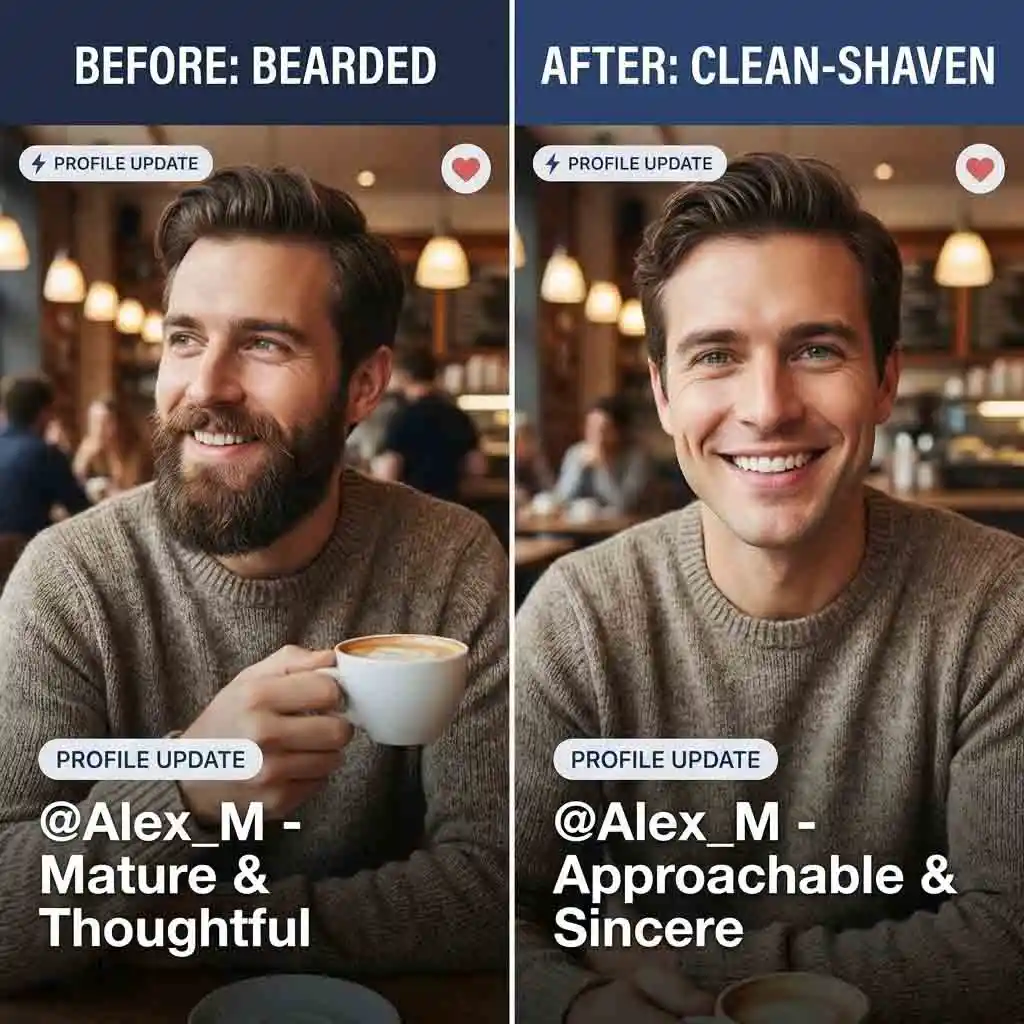
Dating Profiles and First-Impression Photos
AI beard remover helps reduce mismatches between your photos and your desired impression. A clean shave look can read as more intentional and well-groomed. The edits are restrained. Therefore, the result stays believable. It avoids the “too edited” vibe that can hurt trust.
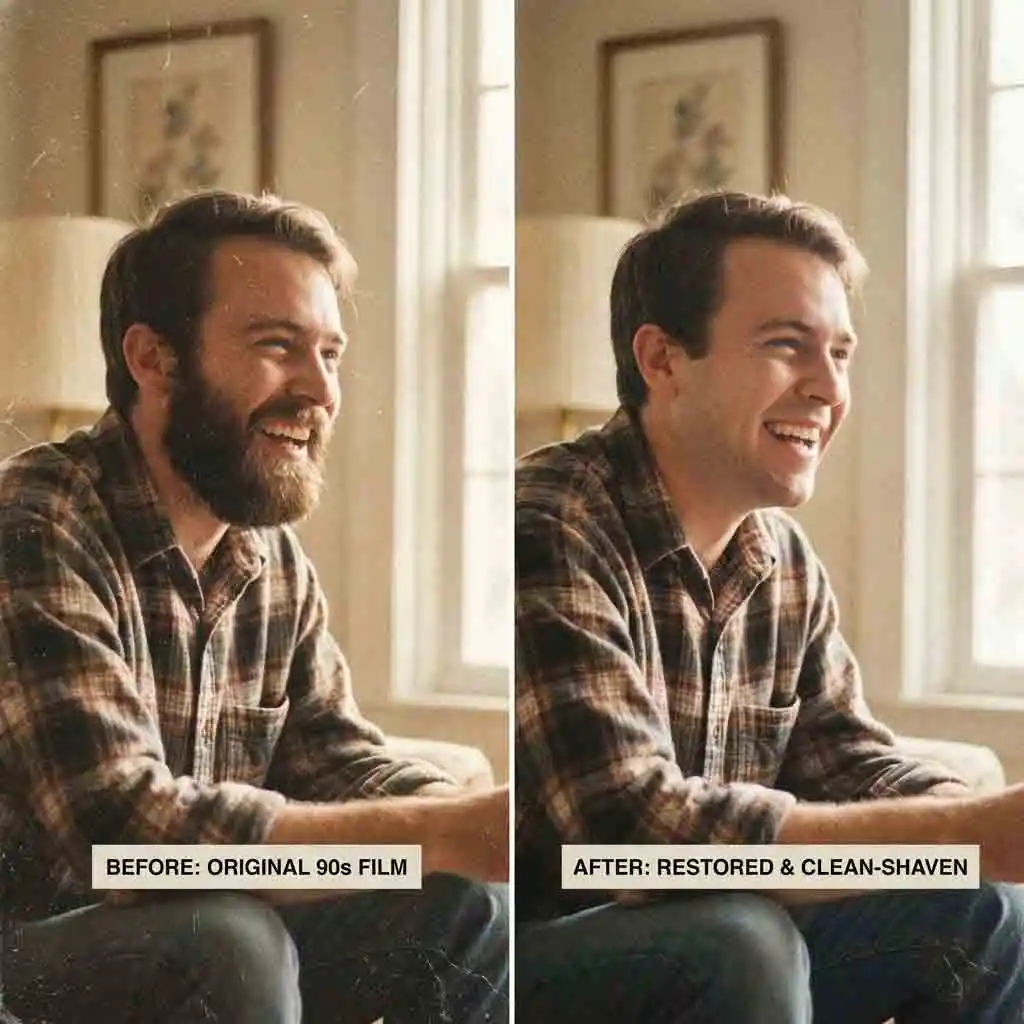
Light Cleanup for Older Photos
Ai beard remover can modernize older portraits. It does not turn them into something new. It works well as a targeted adjustment. You can remove the beard area while keeping the image’s original character. This functions as an effective beard remover AI. This is useful for archives and family photos. It ensures consistent profile pictures across years.
Subscription Plans
Start building for free and scale up as you grow. All plans include the core features you need to get started.
Free
Perfect for trying out our ‘Beardless Filter’ service.
- 10 free credits for each account.
One-Time
25 credits for you.
- One-time purchase of 25 credits.
- Never expire
- One-Time:No watermark.
- One-Time:Standard quality output.
Basic
Ideal for regular users who need more processing power.
- 70 credits per month.
- Basic:Valid for one month only.
- Basic:Priority support
- Basic:No watermark.
- Basic:High quality output
Premium
For professionals and businesses with high-volume needs.
- 160 credits per month.
- Pre:Valid for one month only.
- Pre:Priority support
- Pre:No watermark.
- Pre:High quality output
FAQ
What makes the results look “real” instead of obviously edited?
Realism comes from consistency. Edges, lighting, and skin texture must match the rest of the face. Many tools erase facial hair by smoothing a patch. This creates gray halos or flat skin. A stronger approach keeps gradients and micro-texture. This ensures the area still looks like the same photo. If you have tried an AI beard remover before, you have likely seen the telltale blur around the jaw. Aim for subtle changes. Check at 100% zoom. Choose a natural style so the face remains believable in everyday viewing.
Is this just a filter, or is it closer to editing?
A simple filter applies broad changes. It often ignores facial structure. This can break realism when the lighting is complex. A better workflow behaves more like controlled editing. It focuses on the beard region. It preserves the rest of the portrait. That is why it feels different from no beard filter AI apps. Those apps prioritize quick novelty. If you want a professional look, treat it like a targeted edit. Keep changes minimal. Compare the before and after versions. Avoid stacking heavy beauty effects that amplify artifacts.
Which photos are hardest to process, and how do I improve them?
Complex cases include strong shadows across the beard. Very low-resolution images are hard to process. Side profiles with partial occlusion are tricky. Extremely dense facial hair that blends into dark lighting is also challenging to see. For better results, pick a clear, front-facing photo. Ensure it has even light and minimal motion blur. If the face is underexposed, brightening it slightly can help. When necessary, do beard removal in a conservative pass first. Then, refine with a second pass. Do not push one aggressive edit.
Will it over-smooth my skin or change my identity?
Good portrait editing should preserve identity. Face shape, proportions, and core features must remain untouched. Over-smoothing happens when tools treat the beard area like a blur mask. Choose settings that prioritize texture. Then, evaluate cheeks, chin, and upper lip on Zoom. If you also use face retouch, keep it subtle and localized. This prevents plastic-looking skin. The best results look like grooming, not transformation. Your photo should still be recognizably you.
Can I use the result for professional or official contexts?
Often yes, provided the edit stays realistic. It should not misrepresent your identity. For professional use, aim for a natural clean shave finish. Avoid overly perfect skin. Keep lighting consistent with the original photo. The safest approach is minimal change. Remove beard presence without altering facial structure. If your context is strict, like a visa or ID, verify requirements first. Compare the edited image against the guidelines. When in doubt, choose the most conservative setting. Keep the output faithful.
What about privacy—are my photos stored?
Privacy depends on product policy. However, you should expect precise controls. Check how long files are retained. See if they are used for training. Check if you can request deletion. As a general rule, minimize risk. Upload only what you need. Avoid sensitive background details. Download your result promptly.
What formats and resolutions work best?
Most workflows support standard formats like JPG and PNG. Higher resolution generally improves edge quality. It aids texture preservation, especially around the jaw and upper lip. If you upload a huge file, you can resize it slightly. Ensure details remain clear. For the best outcome, avoid screenshots with compression artifacts. Avoid social-app re-uploads that degrade quality. If you plan to print or crop closely, start with the highest-quality original. This reduces visible artifacts after edits.
How do I avoid the “fake jawline” look?
The fake look usually comes from rigid boundaries or missing natural shadow. Choose a natural style. Reduce strength if the jaw becomes too sharp. Check transitions on both sides of the face. Pay attention to the upper lip and chin. Artifacts often appear there first. Keep some natural shading so the face still has depth. If the result looks too clean, add subtle grain back. You can also keep a hint of shadow. Minor imperfections often make edits feel more real.